

We’ve lived on Koh Samet for a combined 15 years – May for 12, me for 3. In that time we’ve heard every version of the doubt: it’s too close to Bangkok to be a real island, it’s basically a day trip, the water will be dirty, there won’t be enough to do. I had most of those thoughts myself the first time I came here.
I was wrong. And if you’re asking whether Koh Samet is worth it, the honest answer is: for most travellers, yes – and it’s probably got more than you’re expecting.
The case for Samet isn’t that it competes with Koh Lipe or the Andaman heavyweights on raw drama. It doesn’t need to. What it offers is something harder to find than a pretty beach: a genuine Thai island experience – clear water, palm-lined sand, unhurried pace – within two hours of Bangkok or Pattaya, without a flight, without a full day lost to travel. Koh Chang and Koh Kood are more striking. The southern islands have their moments. But most of them take real commitment to reach, and several are now carrying the weight of serious overtourism. Samet has stayed manageable.
When my brother visited Thailand, Samet was where I took him. It was the right call. It’s also where I met May, and where we’ve built our life. We know this island in a way that takes years, not a weekend, to accumulate. What follows is the honest version of what we know.

Who Koh Samet is for
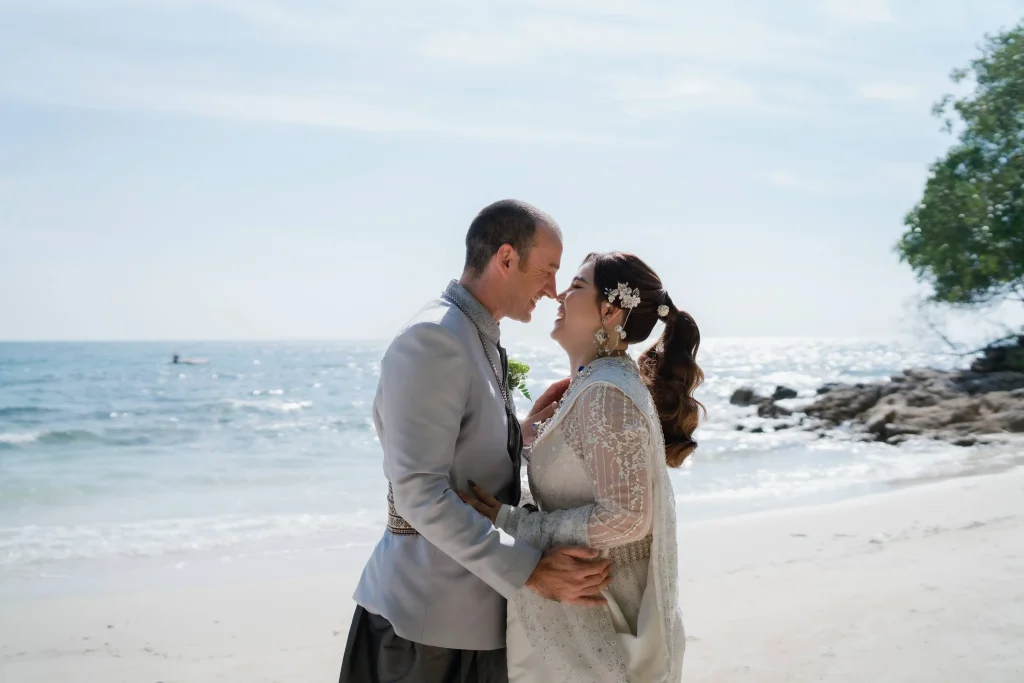
The honest answer is: most people. My parents visit regularly. So do my nephews and niece, my friends, solo travellers passing through, couples looking for a quiet few days, groups of friends renting a house for the weekend. Koh Samet has a way of working across the board in a way that few islands at any price point actually manage.
What the happiest guests tend to have in common isn’t a particular age or budget – it’s expectation calibration. They’re not arriving hoping for the most dramatic scenery in Southeast Asia or the best snorkelling of their life. They know Koh Tao has better diving, that Krabi has more jaw-dropping limestone, that Koh Phayam has a certain untouched quality Samet can’t match. What they want is an island that does everything well, without the commitment of a flight or a full day in transit. Samet delivers that consistently – good beaches, clear water, decent food, beach bars, massage on the sand, a pace of life that actually slows you down. It’s not trying to be the best at any one thing. It just works.
It’s also worth saying what Koh Samet is not. There are bars here and a genuine night out is possible – our bars guide covers that in detail – but this isn’t a full moon party island. It isn’t thousands of drunk tourists and it isn’t bucket cocktails at 7am. If that’s what you’re after, Koh Samet will probably disappoint you. For everyone else, it almost certainly won’t.
Who Koh Samet probably isn’t for
Koh Samet sits at a slightly higher price point than the budget-first islands further south. The national park status affects what businesses pay to operate here, and the small island nature of the place means things like accommodation and motorbike rental cost more than you might expect coming from Koh Tao or the Samui area. Food and drink prices are fairly typical of most Thai islands – no worse than anywhere else. A lean day is genuinely doable on around 1,000 baht: a dorm bed, breakfast, a Thai lunch, and a couple of drinks at a beach bar. But if you’re running the tightest possible budget and every baht counts, the cheaper options elsewhere in the Gulf or Andaman will serve you better on cost alone.
The other mismatch is obvious: if your ideal holiday is a full moon party, a week of buckets, and a beach full of people in the same boat, Samet isn’t it. There’s a nightlife scene here and it’s worth having – but it’s not that. It’s bars with atmosphere, not an international party circuit.
Beyond those two, Koh Samet is harder to get wrong than most people expect.

The honest pros
The beaches are better than the reputation suggests
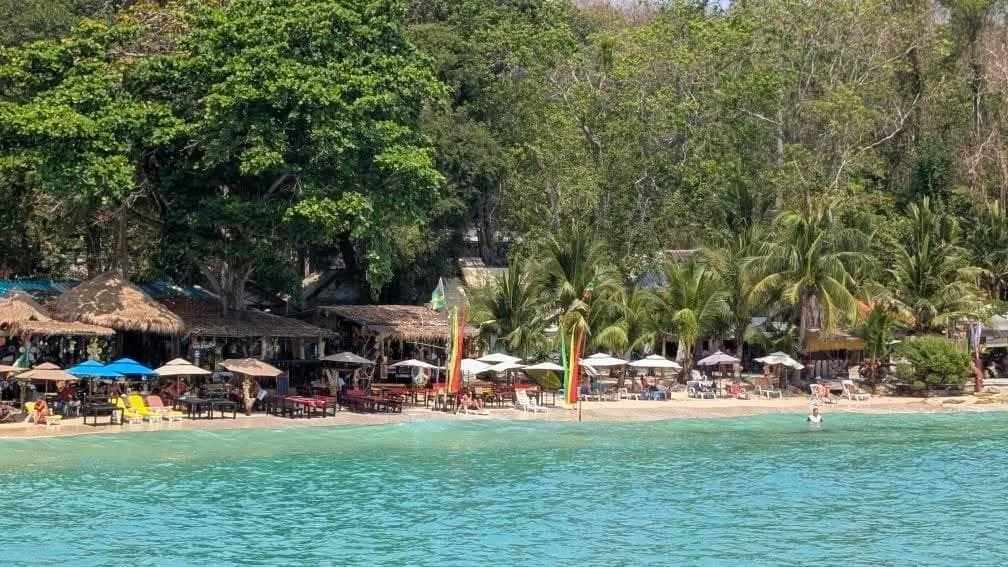
On a good day, Koh Samet’s beaches are as good as anything in Thailand. The sand is soft, the water is clear, and at places like Ao Wai the combination of the two can genuinely stop you mid-sentence. We’ve used the word “Maldives” to guests before and meant it – not as marketing, just as an honest description of what certain beaches look like when conditions align. Even Hat Sai Kaew, the busiest and most developed beach on the island, has soft sand and clear water. It’s more relaxed than the main strips on islands with a fraction of Samet’s reputation.
The weather is Koh Samet’s strongest card
This is the one most visitors don’t know until they get here. Koh Samet sits in a rain shadow created by the Rayong peninsula and the mountain ranges of Khao Yai and the Chanthaburi foothills. The practical result is that it receives significantly less rainfall than almost every other Thai island – making it the most reliable beach destination in the country during rainy season. It still rains. But nothing like elsewhere. May and I took a trip to Koh Kood last rainy season – one of our favourite islands – and it was a near-total washout, tropical storm conditions every day. We came back to Samet to sunshine. That’s not a one-off. We have a full breakdown in our weather guide if you want the detail, but the short version is: if you’re planning a beach trip between May and October, Samet is the most sensible choice in Thailand by a considerable margin.
Convenience that actually holds up
Three hours from Bangkok without a flight, without a full day of travel, without the logistical weight of reaching the southern islands. For Bangkok residents and expats, Samet functions as a proper reset – the kind of trip you can do on a long weekend and actually come back from feeling like you went somewhere. That proximity sounds like a compromise. In practice it doesn’t feel like one.
There’s more to explore than the main beach
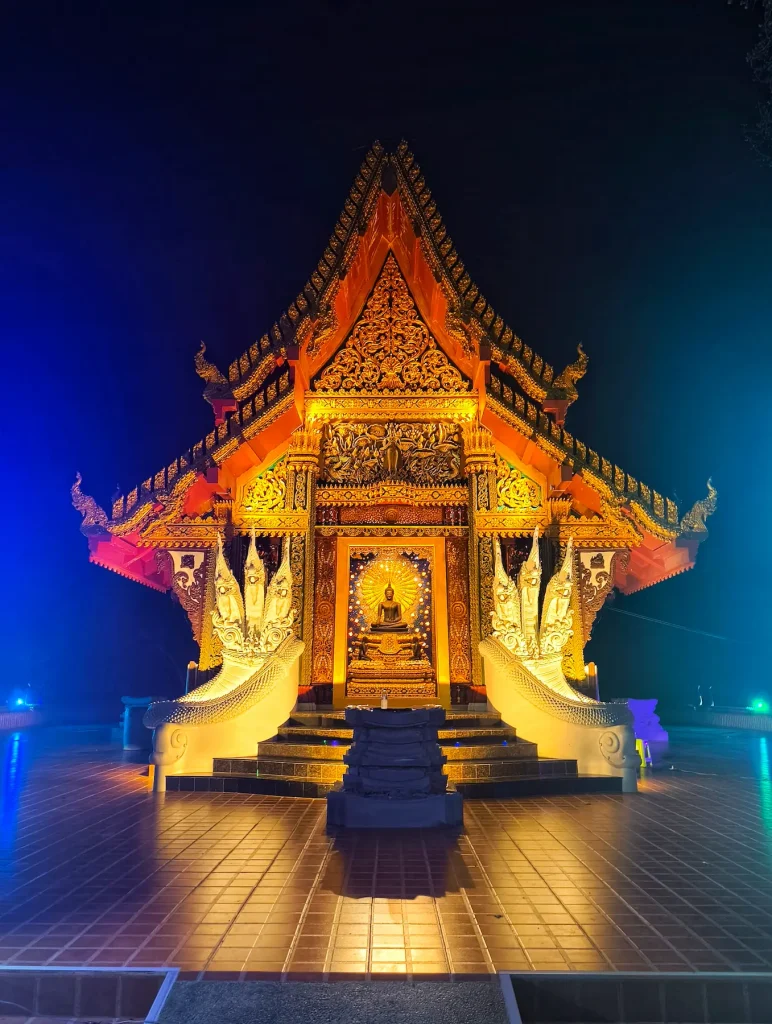
The island has cultural sites worth seeking out – temples, shrines, spots that most visitors walking up and down Hat Sai Kaew never find. We built our Explorer Series specifically for guests who want to go beyond the beach strip, and it’s genuinely rewarding for anyone curious enough to follow it.
The honest cons
The national park fee stings on arrival
Foreigners pay 200 baht to enter Koh Samet, collected at the checkpoint as soon as you get off the boat. It’s the first thing that happens when you arrive, which isn’t ideal timing. The fee is annoying not because of the amount but because of the disconnect – Koh Samet sits within a national park, and the surrounding islands you visit on boat trips genuinely feel like one. Samet itself, with resorts and restaurants lining the beach, does not. It’s hard to feel like the 200 baht is doing much visible good, and it can leave a slightly bitter taste before you’ve even seen the place. Worth knowing about in advance so it doesn’t catch you off guard. For what it’s worth, the national park designation is also the reason there are no high-rises here and development has stayed manageable – so it’s a double-edged sword.
Getting around has its limitations
There are no private cars on the island, which is genuinely one of Samet’s better qualities – it keeps things calm, quiet, and makes renting a scooter a pleasure rather than a white-knuckle experience. The tradeoff is that the taxi system is less slick than on other islands. Songthaews run set routes and don’t always appear when you want them. It’s not a serious problem but worth factoring in, particularly if you’re heading to the southern beaches with luggage. We cover how to navigate the taxi system in our full guide.
The rubbish dump rumour, addressed
Some social media accounts describe Samet as dirty. We’re genuinely baffled by this. The beaches are clean. Occasionally some debris washes in from passing boats, which is true of every Thai island. There is a waste disposal site on one of the back roads between Hat Sai Kaew and Ao Phai – you may catch a smell as you pass it on a scooter. It exists because the island needs somewhere to put its rubbish. It is not a reason to reconsider your trip.
Beach dogs
Present on most beaches, as they are across Thailand. If you’re nervous around dogs, exercise some caution. If you like dogs, it’s a bonus. They’re not aggressive and not a significant issue – but worth a mention for anyone who’d want to know.

So, is Koh Samet worth it?
Yes – with one condition. Come with the right expectations and it will almost certainly exceed them. Come expecting Koh Lipe or the Andaman coast and you’ll be measuring it against the wrong thing.
Koh Samet is the closest genuine Thai island experience to Bangkok and Pattaya. That’s not a consolation prize – it’s a specific and valuable thing. The beaches are better than the proximity suggests, the weather is more reliable than anywhere else in the country, and the pace of life does what a good island trip is supposed to do. It won’t be the most dramatic island you’ve ever seen. It will probably be one of the most effortless.
If you’re based in Bangkok, passing through Pattaya, or simply don’t want to lose a day each way to travel, Koh Samet delivers. Consistently, quietly, and without much fuss.
Where to stay
May and I have made this island our home – 12 years for her, 3 for me. If you want to stay with hosts who genuinely love the place and know it in that kind of depth, consider us if hostels are your thing. The Cocoon is centrally located, calm, and built around the things that actually matter: a good night’s sleep, a clean space, and honest advice about the island on your doorstep.
Planning a Trip to Koh Samet?
This article is part of our complete Koh Samet travel guide, written by local hosts. It brings together transport tips, the best beaches, where to stay, food and nightlife, and practical local advice to help you plan your trip with confidence.
